Herbs! How to use 'em!


 When you transition further into natural health you notice (and are overjoyed to find) that there is practically an herb for every ailment. Herbs not only treat a variety of health problems, they are also a great addition to the healthy person's medicine cabinet as they promote general wellness. Most contain large amounts of vitamins and minerals and have been used for generations. Keep in mind that not all herbs are safe in all potencies and preparations. Do your research.
So how do you use herbs? There truly are a long list of ways. And here the list is, for your viewing pleasure:
Water-based herbal preparations (best made with dried herbs)
- Teas or, more accurately if true tea leaves are not being used, tisanes
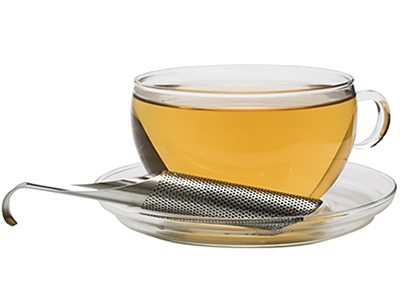
Use about 1 tsp dried herb per cup of boiled water and steep for 20 minutes, then drain and drink. You can drink herbal tea hot or chilled.
- Infusions
This is like a longer-steeped tea. For roots or barks, let 1 oz of your plant soak in a 1-pint jar full of water for 8 hours. For leaves, 1 oz in 1 quart of water for 4 hours. Flowers, the same proportion as leaves but only 2 hours. And seeds, 1 oz in a pint for only 30 minutes. Remember to strain. If you are using a combination (chamomile flowers with ginger root for example) choose the shortest time. You can drink 2 cups a day for a 130 lb person. Increase by a cup/day for every 60 lbs more, or decrease by a cup/day for every 60 lbs less of body weight.
Infusions can also be used for other purposes: baths/soaks, enemas, eye washes or douches.
- Decoctions
Strain your infusion (using the instructions above) and simmer over a stove until it has reduced in volume by 1/2. Take 2 Tablespoons per day instead of 2 cups.
- Syrups
This is the same as an infusion only sugar or honey is added. Use 8 oz sugar or 4 oz honey per 8 oz fluid infusion (pre-reduction). Then boil and if you'd like add 1 oz of brandy, then strain. You can take 1 tsp per day and it should keep for 3 - 6 months.
- Fomentations
This is a piece of cloth that has been soaked in a warm infusion and applied to the body.
- Poultice
This is the actual wet herb that has been strained from any of the above preparation methods. When covered in cloth and applied to the body it is called a compress.
Spirit-based herbal preparations (best made with fresh herbs, or roots/barks)
- Tinctures
This is easily made by filling a jar with any fresh herb, then filling the dead space with pure vodka. Label and let sit for 6 weeks, then strain and use. One dose is 20 drops. Infused vodka is also a delicious treat and a fun, homemade gift. Try peppermint or cinnamon.
- Liniments
A liniment uses the same method but with rubbing alcohol and can only be used externally. (Some people use infused witch hazel, cider vinegar or a carrier oil and still call it a liniment. I'm not sure why.)
- Vinegars
Us the same instructions as making a tincture only with pure, boiling vinegar. A dose is 1 tsp per 100 lb of body weight. For a yummy salad dressing addition try making a rosemary or oregano infused vinegar.
Lastly, oil-based herbal tinctures (must be made with fresh herbs)
- Essential oils
These are not easily made at home but are widely available and can be used for many purposes.
- Infused oils
Fill a jar with fresh, unwashed herbs and fill the dead space with oil. Label and strain after sitting for 6 weeks. Think beyond medicinal use - there are many delicious culinary applications for infused oils. Keep in mind proper canning techniques if you're going to store an oil - if any water remains it will spoil quickly.
- Ointments/Salves/Balms/Butters
Prepare an herb-infused oil then heat 1 oz of it with 1 Tablespoon of hard, grated beeswax. It should cool to an appliable consistency. This is considered a salve. Decrease the amount of beeswax to yield a softer product and it's now an ointment. Add an essential oil to a carrier oil, instead of hand-infusing, and it's a balm. If you use a hard butter (cocoa, etc.) in the recipe it is considered a body butter.
- Lotions
This is the same as any of the above products only with a high content of water which needs to be incorporated using an emsulifying agent. It's usually made this way for convenience in prepared store products, so it's best to just make a salve at home.
Using these methods you can start using herbs at home for a variety of purposes!
Labels: apple cider vinegar, barks, compress, essential oils, herbs, holistic health, home remedies, infused oils, infusion, liniment, lotion, natural, poultice, roots, salve, spirits, syrup, tea, tincture
posted by Amy Ford @ 10:44 AM
0 Comments


