Thursday, August 4, 2011

Herbs! How to use 'em!

When  you transition further into natural health you notice (and are overjoyed to find) that there is practically an herb for every ailment. Herbs not only treat a variety of health problems, they are also a great addition to the healthy person's medicine cabinet as they promote general wellness. Most contain large amounts of vitamins and minerals and have been used for generations. Keep in mind that not all herbs are safe in all potencies and preparations. Do your research.

So how do you use herbs? There truly are a long list of ways. And here the list is, for your viewing pleasure:

Water-based herbal preparations (best made with dried herbs)
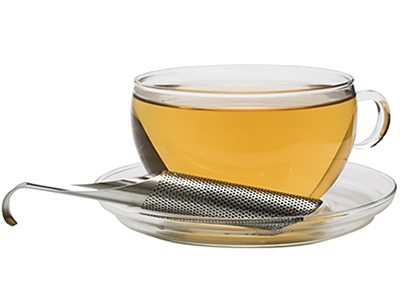
- Teas or, more accurately if true tea leaves are not being used, tisanes
Use about 1 tsp dried herb per cup of boiled water and steep for 20 minutes, then drain and drink. You can drink herbal tea hot or chilled.
- Infusions
This is like a longer-steeped tea. For roots or barks, let 1 oz of your plant soak in a 1-pint jar full of water for 8 hours. For leaves, 1 oz in 1 quart of water for 4 hours. Flowers, the same proportion as leaves but only 2 hours. And seeds, 1 oz in a pint for only 30 minutes. Remember to strain. If you are using a combination (chamomile flowers with ginger root for example) choose the shortest time. You can drink 2 cups a day for a 130 lb person. Increase by a cup/day for every 60 lbs more, or decrease by a cup/day for every 60 lbs less of body weight.
Infusions can also be used for other purposes: baths/soaks, enemas, eye washes or douches.
- Decoctions
Strain your infusion (using the instructions above) and simmer over a stove until it has reduced in volume by 1/2. Take 2 Tablespoons per day instead of 2 cups.
- Syrups
This is the same as an infusion only sugar or honey is added. Use 8 oz sugar or 4 oz honey per 8 oz fluid infusion (pre-reduction). Then boil and if you'd like add 1 oz of brandy, then strain. You can take 1 tsp per day and it should keep for 3 - 6 months.
- Fomentations
This is a piece of cloth that has been soaked in a warm infusion and applied to the body.
- Poultice
This is the actual wet herb that has been strained from any of the above preparation methods. When covered in cloth and applied to the body it is called a compress.

Spirit-based herbal preparations (best made with fresh herbs, or roots/barks)
- Tinctures
This is easily made by filling a jar with any fresh herb, then filling the dead space with pure vodka. Label and let sit for 6 weeks, then strain and use. One dose is 20 drops. Infused vodka is also a delicious treat and a fun, homemade gift. Try peppermint or cinnamon.
- Liniments
A liniment uses the same method but with rubbing alcohol and can only be used externally. (Some people use infused witch hazel, cider vinegar or a carrier oil and still call it a liniment. I'm not sure why.)
- Vinegars
Us the same instructions as making a tincture only with pure, boiling vinegar. A dose is 1 tsp per 100 lb of body weight. For a yummy salad dressing addition try making a rosemary or oregano infused vinegar.

Lastly, oil-based herbal tinctures (must be made with fresh herbs)
- Essential oils
These are not easily made at home but are widely available and can be used for many purposes.
- Infused oils
Fill a jar with fresh, unwashed herbs and fill the dead space with oil. Label and strain after sitting for 6 weeks. Think beyond medicinal use - there are many delicious culinary applications for infused oils. Keep in mind proper canning techniques if you're going to store an oil - if any water remains it will spoil quickly.
- Ointments/Salves/Balms/Butters
Prepare an herb-infused oil then heat 1 oz of it with 1 Tablespoon of hard, grated beeswax. It should cool to an appliable consistency. This is considered a salve. Decrease the amount of beeswax to yield a softer product and it's now an ointment. Add an essential oil to a carrier oil, instead of hand-infusing, and it's a balm. If you use a hard butter (cocoa, etc.) in the recipe it is considered a body butter.
- Lotions
This is the same as any of the above products only with a high content of water which needs to be incorporated using an emsulifying agent. It's usually made this way for convenience in prepared store products, so it's best to just make a salve at home.

Using these methods you can start using herbs at home for a variety of purposes!

Labels: , , , , , , , , , , , , , , , , , ,

Monday, November 8, 2010

Lentil-Broccoli Rabe Salad

I was pretty sure that - with Where the Wild Things are playing on the wide screen, unoaked wine in my glass and no plans for the night - I knew exactly what was missing.  Lentil-broccoli rabe salad.

Toast a small serving of beluga lentils, quinoa and whole coriander in a metal pot, then add water to boil. When cooked, let chill.


Dice raw whole broccoli rabe, hard feta and raw beets.


Add chilled lentil mix and toss with a cider vinegar dressing.


Success.
Repeat?

Labels: , , , , , , , ,

Tuesday, October 12, 2010

Harvest Muffins

It's autumn and that means one thing: everything I eat must have pumpkin in it. Okay, it's true: I'm getting a little sick of pumpkin, but I still want to pay homage to the changing leaves and smell of cinnamon candles in the air. So I made these:

First, preheat your oven to 400F and begin soaking 1 cup-ish of raisins in hot water to plump.
In a large (yellow, if possible) bowl mix:
2 Tbsp ground flax seed + 2 Tbsp water
1/2 cup maple syrup
1 cup apple cider
1/4 cup vegan margarine
Then add:
2 cups flour (or GF flour mix)
4 tsp baking soda
1 tsp sea salt
1/4 cup grated carrot
1/4 cup grated beet
1/4 cup grated apple
The soaked raisins
Any spices + nuts you think are nice

Mix up and spoon into muffin cups (I filled 12 to overflowing, he he).
Bake for 20 minutes or until you can just tell they are done.

They turned out yummy, pink and not begging for butter-soakage as muffins usually do. Try them before harvest season runs out!

Labels: , , , , , , , , , ,

Friday, September 10, 2010

Oh Cleaning: Green Methods for a Squeaky Clean House

Guest blogger: Ashley Long


Some would say I am a bit obsessed with cleaning. Afterall, I grew up in a very clean home and for the last three years I professionally cleaned with an employer who taught me to see and clean up dirt in places that no one else might notice.

Many nasty chemicals are used while cleaning and we have no idea the effects they are having on us, our future families, and the environment. The other problem with chemical cleaning is that it covers up smells and dirt but doesn`t thoroughly clean the suface. This is a totally new way of thinking for me. I believed that chemicals made surfaces clean and shiny and smell nice.
It is hard to make adjustments to old habits. Just like the grime in my toilet must leave, so must my unhealthly choices with cleaning. Let`s explore some alternatives, shall we. 


  • Vinegar -Let`s be honest. Vinegar is the best solution to any cleaning problem. I`ve been researching a little and here`s the low down on this great smelling liquid.
It`s cheap
Non-toxic for everyone
Deodorizes rooms
With a bit of baking soda it can declog a kitchen sink. (thanks mom)
It`s an all-in-one cleaner - toilets, sinks, countertops, all flooring, windows, etc.


But I will say that it doesn`t remove stains on a white countertop.
So the search continues.
  • Charlie`s Soap - A vegetable based, biodegradable cleaner which comes in an all-purpose spray as well as laundry detergent. Retail stores only in the U.S. Bummer, I know, but you can order online. I have not used this product, although my friend does and swears by it. A little on the pricey side if you are frugal like me.
  • Norwex microfiber cloths - These cloths have silver particles in them that disinfects surfaces and the cloth itself. Use only water with these cloths and a deeper clean can really been seen.Stained countertops can finally be clean again with no bleach! I will be attending a Norwex party the end of the month to see this magic myself. If anyone is interested in attending, email me. ashley.j.long@gmail.com
  • Baking Soda -I use some vingar and baking soda on my cutting boards. Just let the mixture sit for a little bit and scrub off. Also good for deodorizing the fridge and cleaning stuff animals touch, like a water bottle. (rinse thoroughly)
  • Hydrogen Peroxide- Good for cuts on guinea pigs and humans; only if consent is given. Also good in your bathtub and sink. Peroxide kills germs. Try it out! Pour some around your bathroom sink drain and see if it starts fizzing. It is so much fun.
  • Fresh Wave spray- odour neutralizing spray. All natural, smells a bit like pine needles. Works great to get rid of crazy smells like urine, stinky socks and shoes, and bad hallway closet smells. Find this amazing stuff at McHardys Vacuum.
That is it for the list but if I may rant quickly...Stick to the green method that is affordable and works best. Dont get suckered into buying products on the shelf at the store that are supposedly green and double the price as normal cleaners. Rip-Off. Ok I had to get that out. Im done now.
Ponder these ideas. Test them out. Save some money and your lungs. Yay!

Ashley Long is my long-time, always-willing lead acoustic guitarist. Her immense vegetable garden would make your garden shudder in awe. She serves coffee by day and crafts it up like no one's business by night, and one day hopes to open a charity coffeehouse. If you've never tried her berry muffins - you aren't living.


Labels: , , , , , ,

Saturday, July 31, 2010

Homemade Toiletries! You can too!

Toiletries are some of the Earth’s worst and greatest inventions. On one hand, I like the smell of a freshly showered person the same as the next guy (although my opinion on perfume and cologne may stray from the norm). On the other hand, the shampoos, conditioners and other cosmetic products we’ve come up with are a chemical stew of water pollution and body damage. SLS for example, a common additive in ‘foamy’ products like shampoo and toothpaste, has been proven by the NIH to cause severe, dangerous irritation and to be a carcinogen, and studies show that the liver cannot metabolize it, making it toxic in our system. Most conventional toiletries are unsafe for waterlife (that’s fish and other sea creatures) once we rinse it down the sink. Besides the offensive ingredients, it does seem excessive to spend what we do on making parts of our body smell nice, after all doesn’t brushing our teeth with a little baking soda do the trick in a pinch? Baking soda is a few cents per 100g last time I checked.
About a year ago I read a book called Sleeping Naked is Green (which I recommend to anyone) and it challenged me to give up some things in my life, including shampoo. After doing a lot of research online about how people go about making these “no-impact” or “footprintless” changes, I discovered homemade toiletries. And now I use them. I also share them, so here goes:
Photo by: Sarah Goertz

Shampoo can be made from 1 tsp baking soda diluted in a 500 ml squirt bottle full of water. To use simply squirt the mixture deep into the roots of your hair, then work in gently, and rinse out. You will notice over time your body becomes used to this new mild treatment and will produce less oil therefore making your hair less greasy naturally.
Conditioner can be made from diluting 1 Tbsp apple cider vinegar in a 500 ml squirt bottle full of water. Splash the mixture over your hair, concentrating on the roots, and rinse out. I’ve added a cinnamon spice essential oil to my mix for a nice scent. You will not notice the vinegar smell once you dry.
A mix face scrub can be made from fine sugar mixed with a carrier oil (like sweet almond or apricot kernel) and a nice smelling essential oil like eucalyptus or bergamont. I’ve used the same basic idea for a body scrub, substituting the fine sugar with a coarser sugar or ground coffee for a more intense exfoliation.
Remember, no matter what do you, reuse containers! A well cleaned shampoo bottle can make a nice home made dressing bottle. Am empty nail polish can be run through the dish washer and then filled with tea tree oil for a more efficient foot treatment if need be.

Update (August 9th, 2010): In the name of transparency I'll let my blog readers know that for the past week or so I've been challenging myself to use one bar of soap for all cleanliness activity (body wash, shampoo, face wash, toothpaste - yes, toothpaste) so if you check my shower there won't be a bottle of murky off-white brew. But fear not, apple cider vinegar has not seen its last days on my head and I continue to clean my kitchen with it! Much to Calvin's dismay!

Labels: , , , , , , , , ,